How to Stage a High-End Home for a Faster Sale
A practical guide to presenting luxury properties with elegance, emotion, and buyer-focused strategy.
Author
Novalux
Read Time
4 min read
Date
Category
Guide
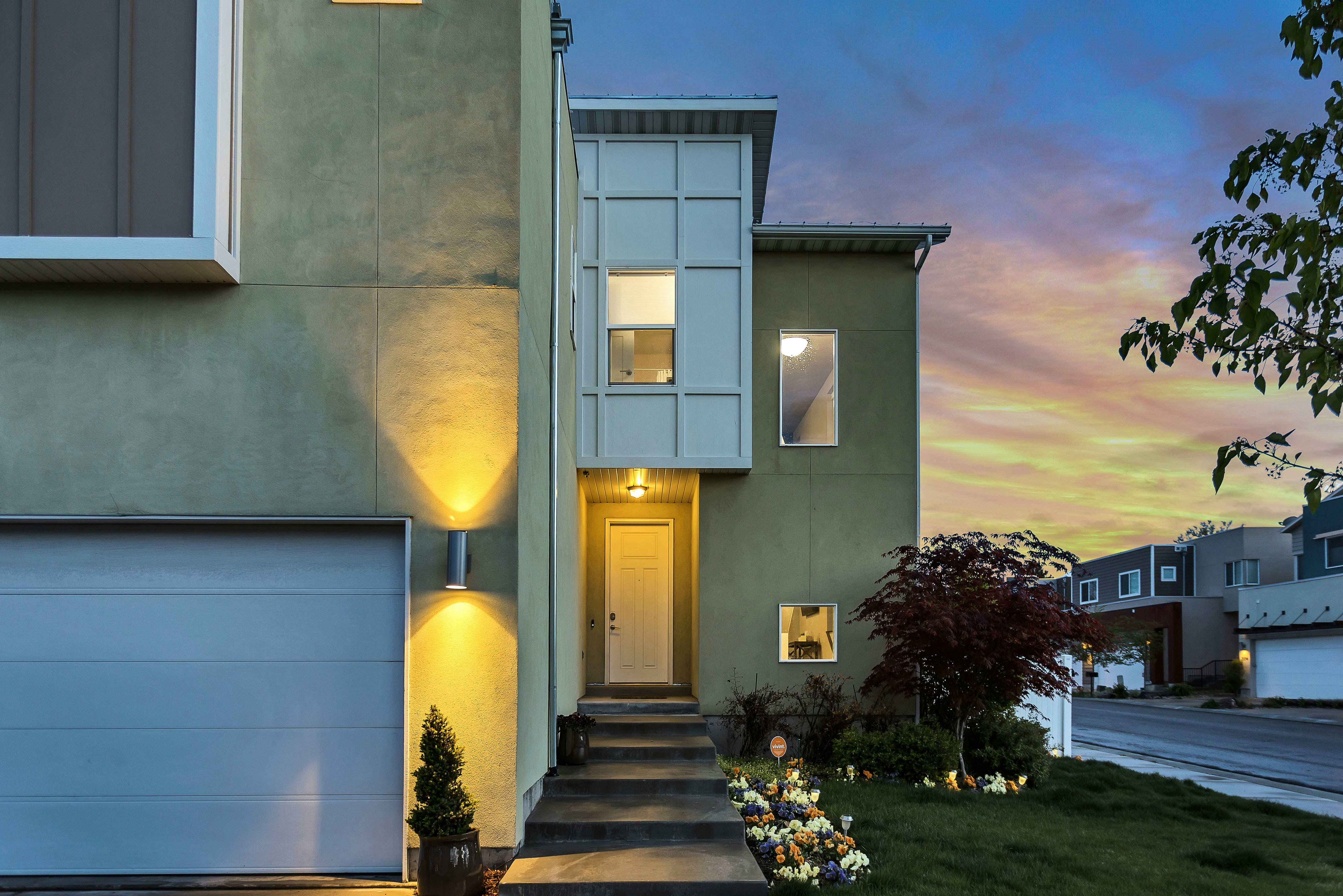
Staging a high-end home is about more than making rooms look attractive. In luxury real estate, staging creates a story. It helps buyers imagine the lifestyle a property offers, from quiet mornings in a sunlit primary suite to evening gatherings around a sculptural dining table.
A well-staged luxury home feels intentional, polished, and memorable. It highlights architecture, improves flow, softens empty spaces, and helps photography perform better online. Because most buyers begin their search digitally, the way a home appears in photos and video can determine whether they schedule a showing.
In premium markets, staging should never feel generic. It should support the property’s identity.
1. Start With the Ideal Buyer
Before selecting furniture or accessories, define who the home is meant to attract.
Property Type | Likely Buyer Profile | Staging Direction |
|---|---|---|
Oceanfront estate | Lifestyle buyer or second-home buyer | Relaxed, coastal, elegant |
Modern hillside home | Design-focused professional | Minimal, architectural, dramatic |
Family estate | Relocating family | Warm, functional, spacious |
Vineyard property | Retreat or lifestyle buyer | Natural, refined, rustic-luxury |
Urban penthouse | Executive or investor | Sleek, polished, sophisticated |
Staging should make the right buyer feel, “This was designed for me.”
2. Prioritize First Impressions
The entry experience matters. Buyers form an opinion within moments of arriving, so the approach should feel clean, calm, and elevated.
Focus on:
Landscaping
Front door condition
Exterior lighting
Driveway and walkway cleanliness
Entry scent
Foyer styling
Natural light
A luxury home should feel cared for before the buyer even steps inside.
3. Edit Before You Add
One of the most common mistakes in luxury staging is overdecorating. High-end buyers want to see space, proportion, light, and materials. Too many accessories can distract from the home itself.
Remove:
Personal photographs
Excess furniture
Cluttered bookshelves
Heavy window treatments
Oversized decor
Highly specific artwork
Worn rugs or textiles
The goal is not to erase character. The goal is to create room for the buyer’s imagination.
4. Highlight Architectural Features
Luxury properties often have special design details that should become focal points.
Examples include:
Stone fireplaces
Floating staircases
Exposed beams
Floor-to-ceiling windows
Wine walls
Custom cabinetry
Statement lighting
Indoor-outdoor doors
Spa bathrooms
Use furniture placement and lighting to guide attention toward these features.
5. Create Lifestyle Moments
Buyers remember emotional moments. A staged home should include scenes that suggest how life feels there.
Lifestyle moments may include:
A breakfast tray on a balcony
A reading chair by a window
A dining table set for an intimate dinner
Towels and greenery beside the pool
A wine decanter in a tasting room
A clean desk in a home office
Fresh flowers in the primary suite
These details should feel subtle, not theatrical.
6. Use a Refined Neutral Palette
Neutral does not mean boring. In luxury staging, layered neutrals allow architecture and materials to shine.
Use:
Warm whites
Soft taupes
Natural linen
Oak and walnut tones
Stone textures
Matte black accents
Bronze or brass details
Muted greens or blues
Avoid overly bright colors unless the home’s brand identity supports a bold design statement.
7. Make Outdoor Areas Feel Like Living Space
In markets like Malibu, Santa Monica, Beverly Hills, and Napa Valley, outdoor space is a major selling point. Treat patios, balconies, gardens, and pool areas as extensions of the interior.
Outdoor staging ideas:
Lounge seating
Dining setup
Fire pit arrangement
Poolside towels
Potted olive trees
Outdoor rugs
Lanterns or soft lighting
Minimal tableware
A buyer should immediately understand how the outdoor space can be used.
8. Prepare for Photography and Video
A staged home must perform well on camera. What looks good in person may not always photograph well, so the final styling should be checked through a lens.
Before the shoot:
Open curtains and shades
Turn on layered lighting
Remove cords and small clutter
Style kitchen counters minimally
Align chairs and pillows
Clean glass, mirrors, and appliances
Remove cars from driveway
Refresh flowers and greenery
Professional photography, video, and virtual tours can significantly improve buyer engagement.
Staging Checklist
Area | Priority |
|---|---|
Entry | Clean, welcoming, elevated |
Living room | Spacious seating and clear focal point |
Kitchen | Minimal counters and premium finishes visible |
Primary suite | Calm, hotel-like atmosphere |
Bathrooms | Spa-inspired styling |
Office | Organized, quiet, functional |
Outdoor space | Lifestyle-driven and inviting |
Final Thoughts
High-end staging is not about decoration. It is about positioning. The right staging strategy helps buyers understand the property’s value, lifestyle, and emotional appeal.
A beautifully staged luxury home feels effortless, but every detail is intentional. When done well, staging can help a property stand out, photograph better, attract qualified buyers, and sell faster.
Subscribe to Our Newsletter
Join us to get the recent insights and market trends weekly.
